The Collaboration Code
How eight UN agencies in the Pacific learned to operate as one system — and responded to a cyclone in hours.
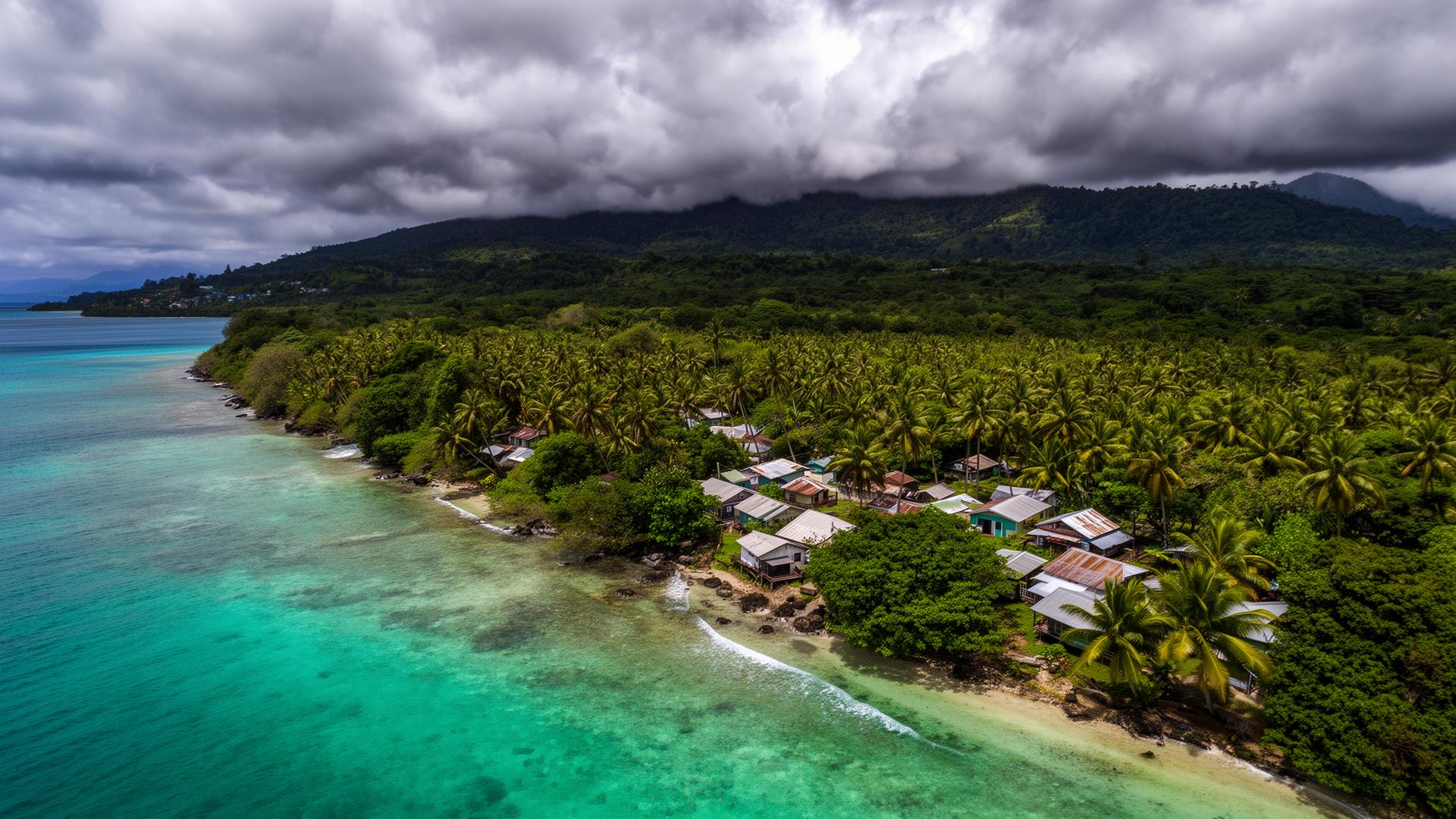
David looked across the Port Vila harbor as his weekly Sustainable Development Goals coordination meeting transformed before his eyes. Eighteen months ago, herding UN agencies toward common objectives felt like an impossible task. Today, representatives from eight agencies were actually building on each other's ideas.
The shift began when his office participated in the NewWork dialogues about “Reimagining the Next Normal.” The resident coordinator system had been struggling with fragmented agency approaches, competing priorities, and endless coordination meetings that produced little coordination.
The huddle technique, learned through the “Team Performance” training, had revolutionized their weekly rhythms. Instead of hour-long presentations where agencies talked past each other, they now had focused conversations driving real collaboration.
This kind of spontaneous inter-agency collaboration had emerged from the psychological safety modules. Agency representatives now felt comfortable admitting knowledge gaps and asking for help, rather than protecting their organizational turf.
“Your SDG acceleration approach is being showcased as a model for integrated delivery. Three other regions want to adopt your methodology.”
The transformation wasn't accidental. Through the Agile Mindset workshops, David's team had learned to focus on end users—the Pacific Island communities—rather than organizational boundaries. They'd embraced iterative planning, testing small interventions and scaling what worked.
When Cyclone Kevin struck last month, their new coordination mechanisms had enabled a unified response within hours. Eight agencies operating as one system, with clear roles and shared accountability. No duplication, no gaps, no bureaucratic delays while communities waited for help.
The UN Country Team survey results reflected the change: collaboration scores up 14%, innovation approaches up 17%, and most significantly, confidence in achieving SDG targets up 25%. But the real measure was in the Pacific Island governments praising the UN's newfound coherence and responsiveness.
After the meeting, David walked to the waterfront where rising sea levels reminded him daily of the urgency of their work. The SDGs weren't just targets—they were lifelines for small island developing states.
The NewWork principles had helped them move from fragmented agency activities to integrated development partnerships. From competing for resources to leveraging collective strengths. From coordination meetings to coordination results.
David smiled, remembering the words from those early NewWork sessions: “The future of the UN isn't about better coordination—it's about seamless integration around shared purpose.” They weren't quite seamless yet, but they were finally acting like partners in the same mission rather than competitors in the same space.
The Pacific deserved nothing less than their most unified, agile, and effective support. NewWork had given them the tools to deliver it.
Voices from the Network
“All the projects are very exciting, but frankly what impressed me was the spirit of all these young people. When the UN is under pressure, you all bring back our morale. The UN is in good hands with you.”
— Assistant Secretary-General Mourad Wahba
“Innovation Day is truly a global connector!”
— Innovation Day participant
Impact Metrics
Related Initiatives
Explore the NewWork programmes connected to this story
Reimagine the UN Together
A system-wide innovation challenge where 85 teams proposed solutions to shared organizational challenges, culminating in a Dragons' Den finale.
Dialogues
Giving employees across the UN Secretariat a voice through randomly-grouped dialogue sessions on key organizational topics.
Innovation Day
Exposing UN staff to new ideas, practices, and concepts through briefings from across multiple sectors and environments.
Actionable Takeaway
Replace your next hour-long coordination meeting with a 15-minute check-in where each participant shares one priority and one ask.
Related Case Study: Reimagine the UN Together