
The Crisis Connection
How agile practices helped a field office reach 2,000 displaced people in 72 hours instead of weeks.
Amara adjusted her satellite connection from the N'Djamena field office, watching colleagues from Geneva, New York, and three other field operations join the protection cluster coordination call. In the past, this kind of real-time global coordination would have been uncommon.
The transformation began when her team participated in the Agile Mindset pilot. Initially skeptical—another HQ initiative that didn't understand field realities—she'd grudgingly attended the virtual training sessions.
The fifteen-minute huddle format had revolutionized their crisis response. During last month's displacement emergency, they'd adapted their entire protection strategy in 48 hours using the iterative approach they'd learned. No more waiting for lengthy approval chains while people remained at risk.
This spontaneous peer-to-peer support had become routine. The psychological safety training had given field staff permission to share challenges and ask for help without appearing incompetent to headquarters.
UNTold, which tells the stories of replicable support-related innovations across the UN, documented these good practices helping to further amplify across more teams.
“Your rapid assessment methodology is being adopted by three other country operations. This is exactly the agile response we need in crisis situations.”
The word “agile” no longer felt like another buzzword. Through the Modern Agile principles workshop, Amara had learned it meant focusing on people first—the displaced populations they served—and continuously improving their response based on real feedback from communities.
When the crisis escalated, her team had delivered a preliminary protection plan, gathered feedback from local partners and affected communities, and refined it twice before final implementation. The old system would have produced a perfect document three weeks too late.
The numbers from their recent team survey reflected the change: 29% improvement in their ability to adapt quickly, 17% increase in innovative problem-solving, and most importantly, 14% better collaboration across field-HQ boundaries.
But the real impact wasn't in statistics—it was in the grandmother who approached Amara last week, grateful that protection services had reached her grandchildren so quickly. It was in the local partners who commented on how much more responsive and flexible the UN had become.
After the call ended, Amara reflected on the journey. From isolated field office struggling with bureaucratic headquarters to connected global network solving problems in real-time. From rigid standard operating procedures to adaptive response based on community needs. From hierarchical approval chains to empowered field decision-making.
The NewWork approach hadn't just changed how they worked—it had restored her faith that the UN could be the organization the world needed in crisis. The communities they served deserved nothing less than their most agile, collaborative, and innovative response.
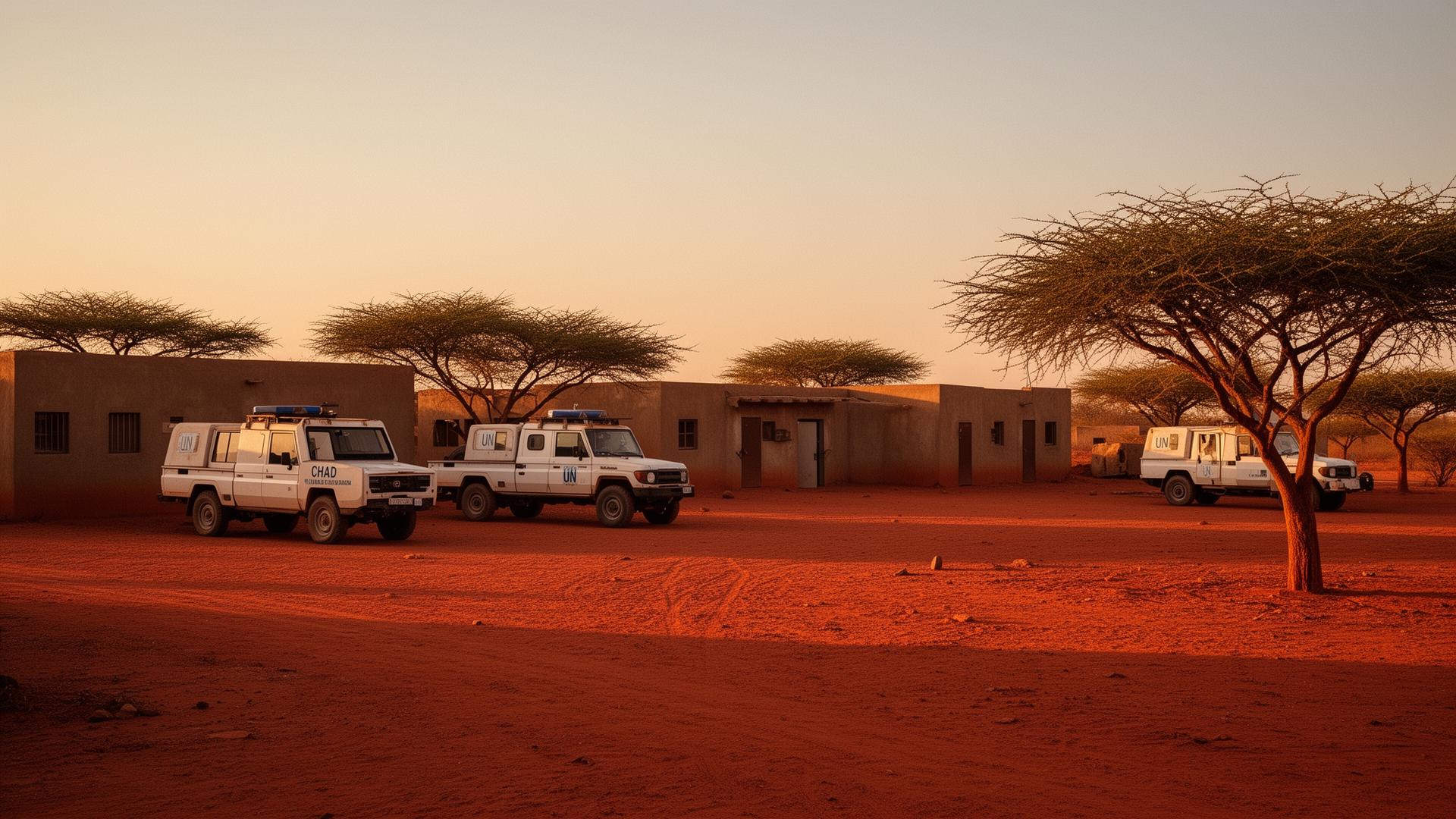
Outside her window, the Sahel landscape reminded her that humanitarian needs wouldn't wait for perfect processes. But now, finally, they had tools to respond with both speed and quality, connecting global expertise with local realities in ways that actually served the people who needed them most.
Voices from the Network
“I connected with colleagues I would never have normally met. This was supportive at a time of isolation.”
— Dialogue participant
“Mistakes are better accepted as valuable learning experiences. Individuals feel empowered with the legitimacy to engage in their work and to test ideas.”
— Team Performance Impact Report
Impact Metrics
Related Initiatives
Explore the NewWork programmes connected to this story
Agile Team Performance
Workshops introducing teams to agile ways of interacting, experimenting, and delivering — fostering psychological safety and adaptive teamwork.
UNTold Storytelling
Highlighting replicable UN innovations through video documentaries and global discussions, fostering knowledge-sharing across the system.
NewWork Network
A grassroots community of UN employees innovating, collaborating, and adopting new ways of working across 140+ locations worldwide.
Actionable Takeaway
Start a 15-minute daily huddle with your team. Each person answers: "What's your priority today, and where do you need support?"
Related Case Study: Agile Team Performance